
Environmental sustainability
Field, compliance, and energy work for the people who want the environment to be the job. Most programs run 6 to 12 months at vetted, accredited schools and colleges.
The green jobs that actually exist are technical.
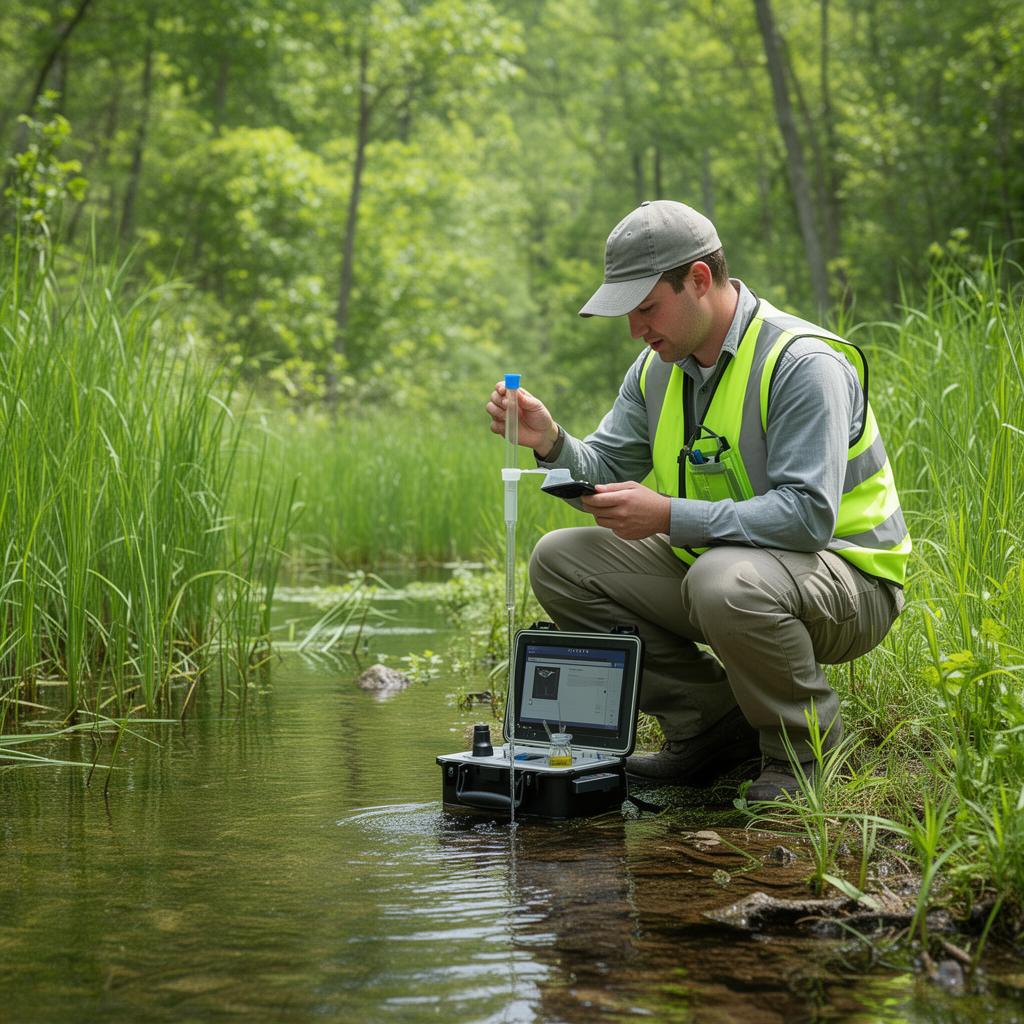
Most sustainability hiring isn't policy work — it's field sampling, compliance reporting, energy auditing, and building performance. These programs train the technical side: collect the data, know the regulations, document what a site is doing, and identify what it should do differently.
A typical day
- Collect soil, water, or air samples and chain-of-custody them
- Run building energy audits and log findings
- Prepare compliance documentation for regulators
- Track waste, recycling, and emissions data
- Support sustainability certifications and reporting
What you walk out able to do
- Perform environmental field sampling and monitoring
- Apply core federal and state environmental regulations
- Conduct basic energy and resource audits
- Prepare compliance and sustainability reports
- Pursue LEED and OSHA credentials offered by your program
Where people work
How you get started
01
Request info on Environmental sustainability
A short form: your zip code, your schedule, and when you want to start. About a minute.
02
See the schools that actually run it
Vetted, accredited schools and colleges near you offering this exact program — with start dates and real costs.
03
Talk to an advisor at the school you pick
You choose who reaches out. They answer cost, aid, and schedule questions in one conversation.
Is this the right fit?
This is for you if…
- You want environmental work that's technical, not theoretical
- You're fine splitting time between field and reporting
- You want in without an environmental science degree
- You're detail-driven about documentation
This isn't for you if…
- You want advocacy or policy work — that's a different path
- You want to be indoors every day
- You dislike regulatory paperwork
Questions people ask first
Close cousins worth a look
Find the sustainability program that actually fits you.
Every semester you wait is a paycheck you don't get back. Three minutes now can save you years.
* Pay figures. "Typical pay" ranges are estimates, not offers or guarantees. Ranges are drawn from the U.S. Bureau of Labor Statistics Occupational Employment and Wage Statistics and Occupational Outlook Handbook for the closest matching occupation, and generally span the 25th to 75th percentile of national annual wages for that occupation (entry-level earnings are commonly at or below the bottom of the range). Actual earnings vary by state, metro area, employer, shift, certification, and experience, and no school or program can promise a specific wage. Source: bls.gov. Figures are reviewed periodically; the BLS site always holds the most current data.