
Electromechanical engineering
Where robotics, PLCs, and automated machinery meet. Most programs run 12 to 18 months at vetted, accredited schools and colleges.
Automation still needs somebody who can fix it.
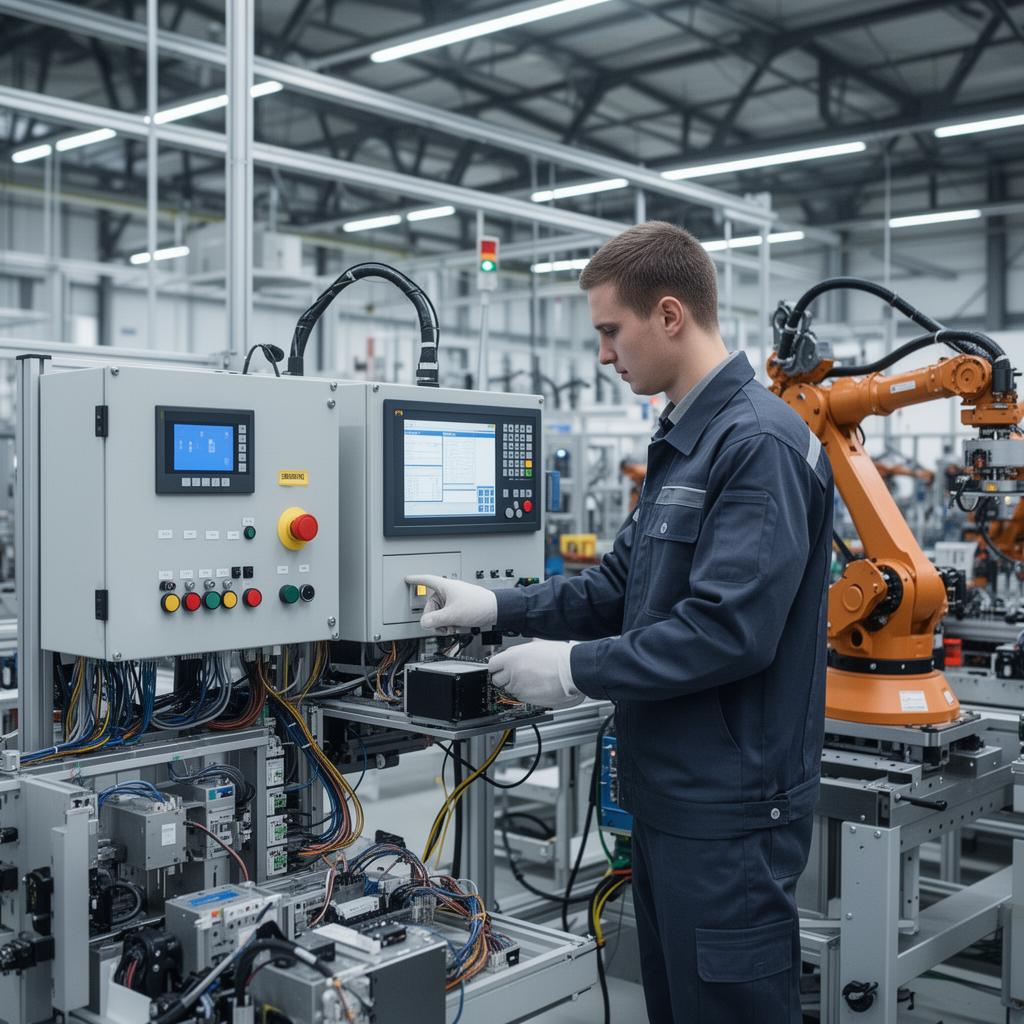
Electromechanical technicians — mechatronics, in a lot of job postings — keep automated production lines running. You work across mechanical systems, electrical controls, sensors, and PLC logic. As more plants automate, the people who can troubleshoot across all four get harder to replace.
A typical day
- Troubleshoot a stopped production line down to the failed component
- Modify and test PLC logic
- Align, calibrate, and replace sensors and actuators
- Perform preventive maintenance on automated equipment
- Document downtime causes and fixes
What you walk out able to do
- Read and troubleshoot electrical and mechanical schematics
- Program and edit basic PLC control logic
- Work with sensors, actuators, and motor controls
- Diagnose faults across hydraulic and pneumatic systems
- Apply lockout/tagout and industrial safety standards
Where people work
How you get started
01
Request info on Electromechanical engineering
A short form: your zip code, your schedule, and when you want to start. About a minute.
02
See the schools that actually run it
Vetted, accredited schools and colleges near you offering this exact program — with start dates and real costs.
03
Talk to an advisor at the school you pick
You choose who reaches out. They answer cost, aid, and schedule questions in one conversation.
Is this the right fit?
This is for you if…
- You like machines and code in the same job
- You want plant work that isn't going away
- You're a systematic troubleshooter
- You'll take shift work for higher pay
This isn't for you if…
- You want an office role
- You only want mechanical or only want electrical
- You can't work around noisy, active industrial equipment
Questions people ask first
Close cousins worth a look
Find the electromechanical program that actually fits you.
Every semester you wait is a paycheck you don't get back. Three minutes now can save you years.
* Pay figures. "Typical pay" ranges are estimates, not offers or guarantees. Ranges are drawn from the U.S. Bureau of Labor Statistics Occupational Employment and Wage Statistics and Occupational Outlook Handbook for the closest matching occupation, and generally span the 25th to 75th percentile of national annual wages for that occupation (entry-level earnings are commonly at or below the bottom of the range). Actual earnings vary by state, metro area, employer, shift, certification, and experience, and no school or program can promise a specific wage. Source: bls.gov. Figures are reviewed periodically; the BLS site always holds the most current data.