








Allied healthcare professionals working together in a modern clinic

    Career-Bond Industry Report

    Allied Healthcare Career & Industry Report

    Eight frontline healthcare paths compared side by side — what you would do, what you could earn, how long training takes, and which one fits the way you want to work.

    8

    Featured allied health roles

    From clinical to diagnostic to surgical support

    779,700

    Medical assistants employed, 2024

    U.S. Bureau of Labor Statistics

    $40K–$73K

    Median pay range

    2026 national occupational medians

    Industry overview

    Why allied healthcare in 2026

    Confident medical assistant in scrubs with a stethoscope in a bright physicians office

    Allied healthcare is the operational and clinical backbone of the U.S. healthcare system. These roles handle patient intake, diagnostics, medication support, laboratory testing, medical records, surgical preparation, and the sterile supply chain that makes procedures possible.

    Demand is driven by an aging population, more outpatient care, and the constant need to support physicians, nurses, dentists, and pharmacists. Many of these occupations are projected to grow faster than the national average, and most can be entered with a certificate, diploma, or associate degree.

    The question is not whether allied health has opportunity. It is which role fits your strengths: direct patient contact, technical precision, administrative accuracy, or surgical support.

    • Allied health roles support patient care, diagnostics, treatment, pharmacy, surgery, and healthcare operations.
    • Most featured paths train in 12–24 months through certificates, diplomas, or associate degrees.
    • Several roles, including medical assistant and dental assistant, are projected to grow faster than overall U.S. employment.
    • This report compares eight of the most common entry-level allied health paths.

    For context, BLS projects overall U.S. employment growth of about 3.1% from 2024 to 2034. Several allied health occupations, including medical assistants (15%) and dental assistants (8%), are projected to grow faster than that baseline. Projected annual openings include replacement needs as workers leave an occupation — they are not all newly created jobs.

    What 'allied healthcare' actually means

    Allied health professionals support patient care, diagnosis, treatment, and operations alongside doctors, nurses, dentists, and pharmacists.

    The roles in this report are not nursing or medicine. They are the clinical, technical, administrative, and diagnostic support roles that keep clinics, hospitals, labs, and pharmacies running.

    Some are patient-facing. Some are lab- or office-based. The right choice depends on whether you want direct patient contact, technical precision, or operational structure.

    On the job

    Where allied health professionals actually work

    Medical assistant taking a patient's blood pressure in an exam room
    Medical assistants keep clinics flowing — rooms, vitals, records, and patient prep.
    Dental assistant preparing instruments in a modern dental office
    Dental assistants support chairside care, sterilization, and patient comfort.
    Pharmacy technician organizing prescriptions behind a pharmacy counter
    Pharmacy techs manage medications, inventory, and dispensing workflow.
    Medical laboratory technician examining a specimen sample
    Lab techs run the tests and analyses that guide treatment decisions.

    Side by side

    Quick career comparison

    The fastest way to answer one question: which of these sounds most like me?

    Choose a view

    What you do
    Supports physicians with clinical tasks, patient prep, vitals, injections, and office workflow
    Median pay
    $42,000
    Growth
    15%
    Annual openings
    119,100
    Training route
    Certificate or diploma program; some complete associate degrees
    Credential
    Certification preferred by many employers; requirements vary by state and employer
    Environment
    Physicians' offices, clinics, outpatient centers, hospitals
    Strongest fit
    People who want direct patient contact and variety in a fast-paced setting
    What you do
    Supports dentists with chairside care, X-rays, sterilization, impressions, and patient flow
    Median pay
    $47,350
    Growth
    8%
    Annual openings
    46,000
    Training route
    Certificate, diploma, or on-the-job training depending on state
    Credential
    CDA through DANB; some states require licensure or registration
    Environment
    Dental offices, oral surgery clinics, public health settings
    Strongest fit
    People who want structured, hands-on clinical work with regular hours
    What you do
    Prepares, counts, labels, and organizes prescription medications under pharmacist supervision
    Median pay
    $40,290
    Growth
    6%
    Annual openings
    38,900
    Training route
    Certificate or diploma program; some states allow on-the-job training
    Credential
    National certification (PTCB or ExCPT) required or preferred in most states
    Environment
    Retail pharmacies, hospitals, long-term care, mail-order facilities
    Strongest fit
    Detail-oriented people who prefer structured, task-based healthcare work
    What you do
    Assigns diagnosis and procedure codes for billing, claims, and medical records
    Median pay
    $48,776
    Growth
    9%
    Annual openings
    15,900
    Training route
    Certificate or diploma program; associate degree options available
    Credential
    CPC, CCA, or CBCS certification preferred by many employers
    Environment
    Hospitals, physicians' offices, billing companies, remote/home-based
    Strongest fit
    People who like rules, detail, and working independently with data
    What you do
    Collects samples and runs laboratory tests on blood, tissue, and body fluids
    Median pay
    $62,000
    Growth
    5%
    Annual openings
    21,600
    Training route
    Associate degree is the most common entry path
    Credential
    Certification through ASCP or AMT preferred or required by many employers
    Environment
    Hospital labs, reference labs, outpatient clinics, physicians' offices
    Strongest fit
    People who like science, precision, and behind-the-scenes diagnostic work
    What you do
    Performs diagnostic imaging exams such as X-rays, CT scans, and MRI
    Median pay
    $73,000
    Growth
    5%
    Annual openings
    14,600
    Training route
    Associate degree or hospital-based certificate program
    Credential
    ARRT certification; most states require licensure
    Environment
    Hospitals, imaging centers, outpatient clinics, emergency departments
    Strongest fit
    People who want technology-focused healthcare work with direct patient contact
    What you do
    Draws blood, handles specimens, and performs EKG tests to support diagnosis
    Median pay
    $42,000–$66,000
    Growth
    8%
    Annual openings
    16,800
    Training route
    Short certificate program; combined phlebotomy-EKG options available
    Credential
    CPT through NHA or ASCP; CET for EKG certification
    Environment
    Hospitals, labs, blood donation centers, outpatient clinics
    Strongest fit
    People who want the fastest entry into healthcare and can handle blood and fast-paced routines
    What you do
    Sterilizes surgical instruments and supports surgeons in the operating room
    Median pay
    $50,500
    Growth
    6%
    Annual openings
    10,600
    Training route
    Certificate or diploma for sterile processing; associate degree or diploma for surgical tech
    Credential
    CRCST for sterile processing; CST or TS-C for surgical technology
    Environment
    Hospital sterile processing departments and operating rooms
    Strongest fit
    People who want high-stakes, procedure-driven healthcare without years of school

    Pay figures are May 2024 national medians; growth and openings are BLS 2024–34 projections.

    Medical assistant taking a patient's blood pressure in a clinic exam room

    Medical Assistant

    Clinical and administrative support in physicians' offices, clinics, and outpatient settings.

    Medical assistants complete administrative and clinical tasks in physicians' offices, hospitals, outpatient clinics, and other healthcare facilities.

    Clinical duties may include taking vital signs, preparing patients for exams, assisting with procedures, giving injections, drawing blood, and performing basic lab tests. Administrative duties may include scheduling, medical records, and insurance processing.

    2024 employment779,700
    Projected growth, 2024–3415%
    Projected annual openings119,100
    Median annual earnings, 2026$42,000
    Typical program length~9–12 months
    Common credentialCMA, RMA, CCMA, NCMA

    If you want to be in the room with patients, doing real clinical work, without spending years in school first, medical assisting is the most direct door.

    Dental assistant preparing instruments beside a modern dental chair

    Dental Assistant

    Chairside support for dentists, hygienists, and oral surgeons.

    Dental assistants provide patient care, take X-rays, keep records, schedule appointments, and help dentists during examinations and procedures.

    The role blends hands-on clinical support with office coordination in dental offices, oral surgery centers, and public health clinics.

    2024 employment373,100
    Projected growth, 2024–348%
    Projected annual openings46,000
    Median annual earnings, 2026$47,350
    Typical program length~9–12 months
    Common credentialCDA, RDA, state registration

    If you like the idea of hands-on work in a clean, structured environment with regular patients, dental assisting is one of the most stable entry points in healthcare.

    Pharmacy technician organizing prescription bottles behind a pharmacy counter

    Pharmacy Technician

    Medication preparation, inventory, and dispensing support under a pharmacist.

    Pharmacy technicians help pharmacists dispense prescription medication, manage inventory, process insurance claims, and serve customers.

    They work in retail pharmacies, hospitals, long-term care facilities, mail-order pharmacies, and compounding pharmacies.

    2024 employment463,600
    Projected growth, 2024–346%
    Projected annual openings38,900
    Median annual earnings, 2026$40,290
    Typical program length~9–12 months
    Common credentialCPhT, PTCB or ExCPT

    If precision, organization, and behind-the-scenes healthcare appeal to you more than bedside care, pharmacy tech work is a strong fit.

    Medical billing and coding specialist reviewing insurance claims on a computer

    Medical Billing & Coding

    Translating healthcare services into accurate claims and records.

    Medical billing and coding specialists translate healthcare diagnoses, procedures, and services into standardized codes used for billing, insurance claims, and medical records.

    The role sits at the intersection of healthcare delivery, reimbursement, and compliance. Accuracy directly affects provider revenue and patient billing.

    2024 employment190,200
    Projected growth, 2024–349%
    Projected annual openings15,900
    Median annual earnings, 2026$48,776
    Typical program length~9–12 months
    Common credentialCPC, CCA, CBCS

    BLS reports medical records specialists as one occupational category. The figures above include medical coders, billers, and related health information roles.

    If you want to work in healthcare but prefer data, logic, and remote-work potential over direct patient contact, billing and coding is one of the most flexible entry points.

    Medical laboratory technician examining a specimen sample in a clinical lab

    Medical Laboratory Technician

    Running the tests that guide diagnosis and treatment.

    Medical laboratory technicians collect samples and perform tests to analyze body fluids, tissue, and other substances. Their work is essential to diagnosing disease and monitoring treatment.

    They work under the supervision of medical laboratory technologists or laboratory managers in hospitals, diagnostic labs, physicians' offices, and outpatient clinics.

    2024 employment247,400
    Projected growth, 2024–345%
    Projected annual openings21,600
    Median annual earnings, 2026$62,000
    Typical program length~2 years
    Common credentialMLT, ASCP or AMT

    If you are the person who wants to know the answer before anyone else, the lab is where diagnosis actually begins.

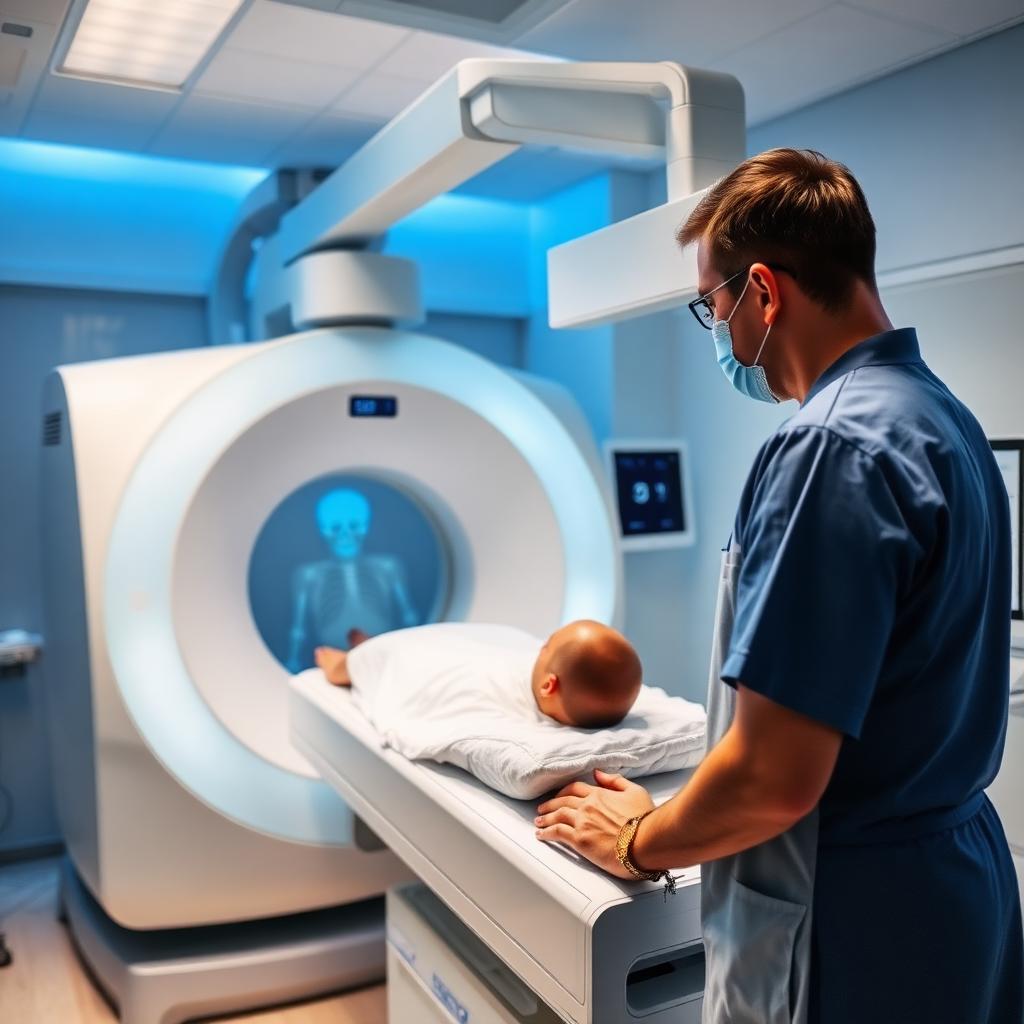
    Radiologic technologist operating an imaging machine in a hospital

    Radiologic Technologist

    Medical imaging — X-ray, CT, MRI, and mammography support.

    Radiologic technologists perform diagnostic imaging examinations, including X-rays, and may specialize in CT, MRI, mammography, or other modalities.

    They work closely with patients to position them correctly, operate imaging equipment, and ensure image quality while following radiation safety protocols.

    2024 employment230,800
    Projected growth, 2024–345%
    Projected annual openings14,600
    Median annual earnings, 2026$73,000
    Typical program length~2 years
    Common credentialARRT, state licensure

    If you want a role that combines technology, patient contact, and a clear credential ladder, radiologic technology is one of the strongest allied health paths.

    Phlebotomist drawing blood while an EKG technician monitors heart rhythm equipment

    Phlebotomy + EKG Technician

    Blood collection, specimen handling, and cardiac rhythm monitoring.

    Phlebotomy technicians draw blood for tests, transfusions, donations, and research. EKG technicians perform electrocardiograms to monitor heart rhythm and help detect cardiac conditions.

    These are often the fastest entry points into allied healthcare. Some training programs cover both skills, and some employers value combined phlebotomy-EKG credentials.

    2024 phlebotomist employment139,400
    Projected phlebotomist growth, 2024–348%
    Projected phlebotomist openings16,800
    Median annual earnings, 2026$42,000–$66,000
    Typical program length~3–6 months
    Common credentialCPT, CET

    Phlebotomy and EKG technician figures are combined for comparison. BLS reports phlebotomists separately from cardiovascular technicians and technologists, which includes EKG and more advanced cardiac roles.

    If you want the shortest credible path into healthcare — and you are comfortable with needles, blood, and fast routines — phlebotomy or EKG tech work gets you there.

    Surgical technologist handing instruments to a surgeon in an operating room

    Sterile Processing + Surgical Technology

    Surgical instrument sterilization and operating room support.

    Sterile processing technicians clean, disinfect, inspect, and sterilize surgical instruments and medical equipment. Surgical technologists prepare operating rooms, arrange instruments, and assist surgeons during procedures.

    Together these roles form the backbone of surgical safety and efficiency — one behind the scenes, one at the surgical field.

    2024 surgical tech employment128,300
    Projected surgical tech growth, 2024–346%
    Projected surgical tech openings10,600
    Median annual earnings, 2026$50,500
    Typical program length~12–24 months
    Common credentialCRCST, CST, TS-C

    Sterile processing and surgical technology are distinct roles with separate credentials. BLS reports surgical technologists separately from sterile processing technicians; the figures above focus on surgical technology employment and pay.

    If surgery fascinates you but medical school is not the plan, sterile processing and surgical technology keep the OR running safely.

    BLS-sourced data

    Pay, growth, and openings come from the U.S. Bureau of Labor Statistics.

    No paywall

    The full report is free. Nothing is gated behind a purchase.

    Honest tradeoffs

    Every career lists the downsides, not just the upside.

    Two years or less

    Every path here trains in two years or less. No four-year degree required to start.

    Not sure which allied health role fits you?

    The career quiz asks about how you like to work — with people, with data, with technology, or with your hands — then points you toward the allied healthcare path that fits best.

    Take the Allied Healthcare Career Quiz

    Don't see the role you're looking for?

    This report covers eight of the most popular allied healthcare paths, but it isn't every program available through Career-Bond.

    Explore All Healthcare Programs

    Pick a direction, and we'll find the training

    Once you know the allied health role you want, we match you with vetted, accredited schools and colleges near you that train for it — so you're comparing real options instead of searching blind.

    Find Training Options

    Data notes and disclosures

    • Median wages are national occupational statistics from the U.S. Bureau of Labor Statistics and industry sources, not promises of individual earnings. Nothing here guarantees employment, salary, or career outcomes.
    • Projected annual openings include replacement needs as workers leave an occupation. They are not all newly created jobs.
    • Training costs vary by institution, state, program length, public or private status, tools and supplies, and financial aid. For institution-level cost data, use the U.S. Department of Education College Scorecard.
    • Scope of practice, licensure, and certification requirements vary by state and employer. Verify the rules in the jurisdiction where you intend to work.

    Sources

    Want this to read later?